
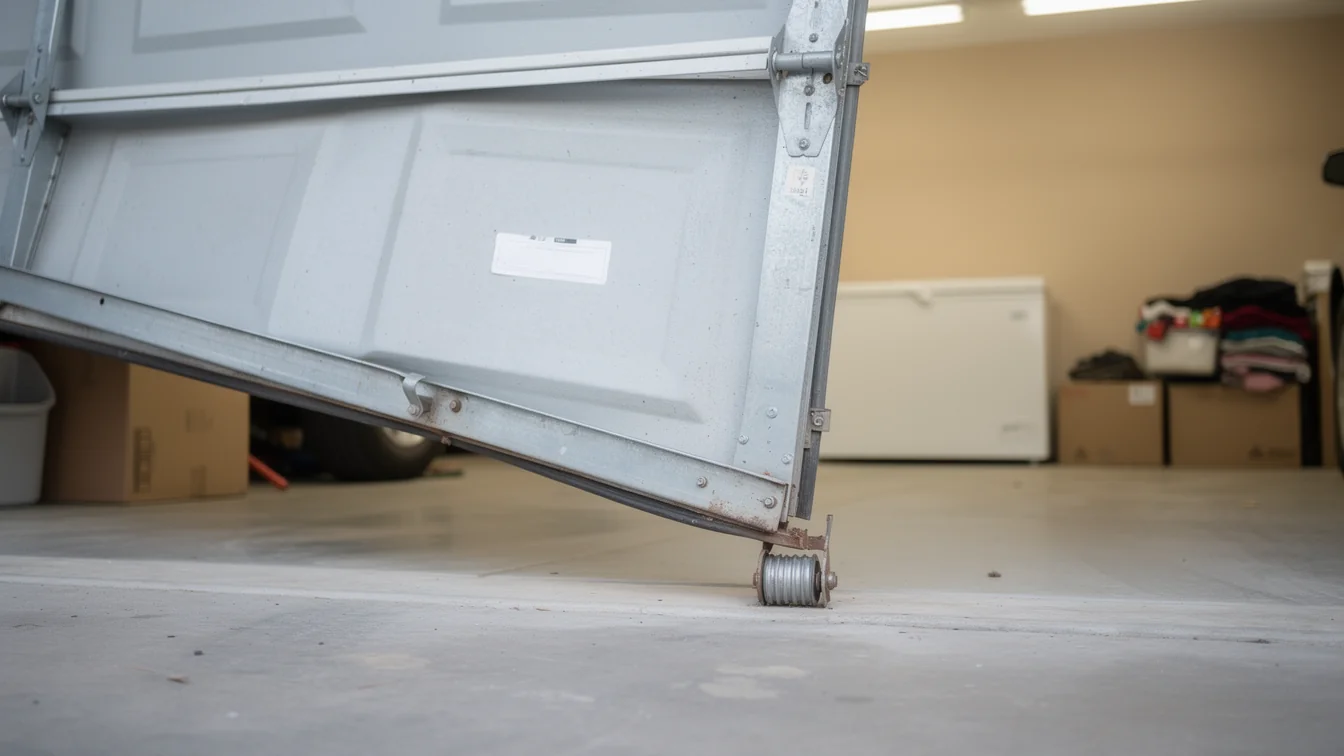
 Why a Door Goes Off Track in Mission Viejo
Mission Viejo's 1980s-90s tract homes and mild climate mean off-track doors usually come from aging hardware, not weather.
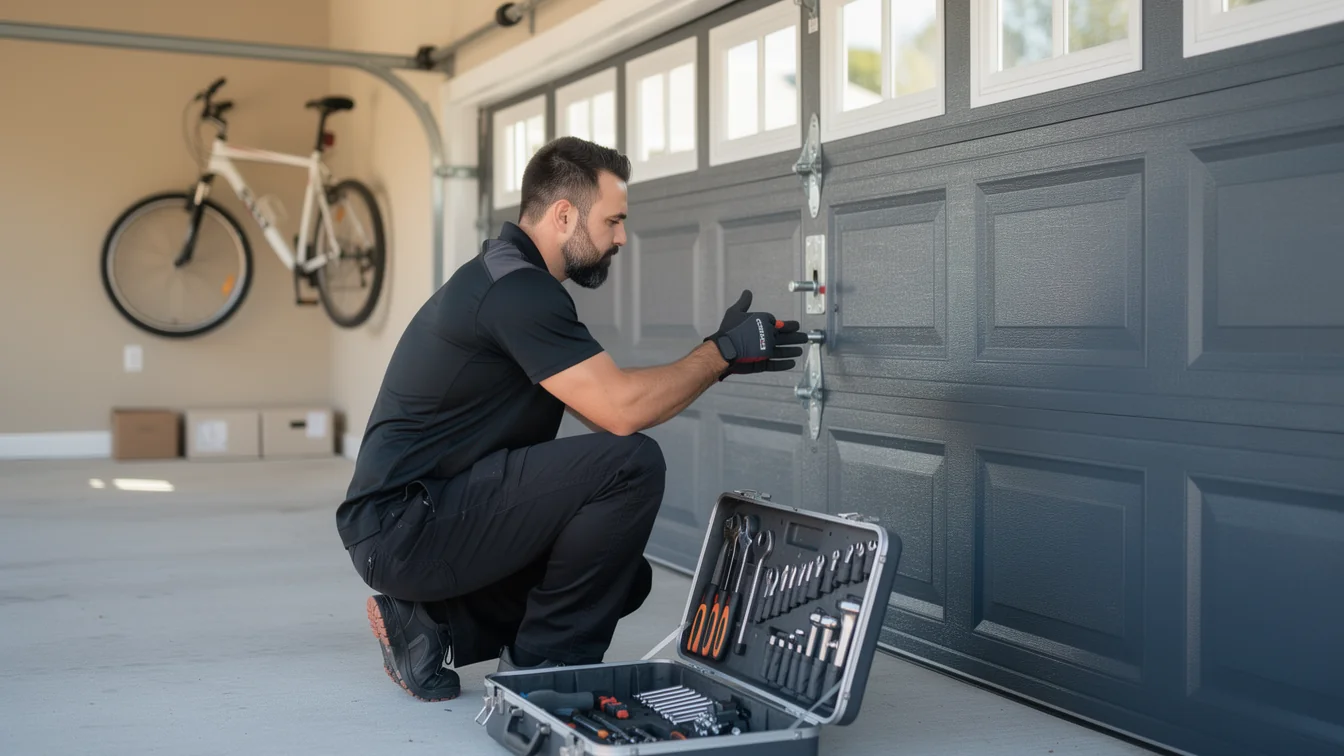
What Actually Happens When We Come Out to Your Door
A breakdown of what actually happens during a garage door service call in Mission Viejo, tied to the area's 1980s-90s housing stock and mild coastal climate.
Local detail
The Cost of This Job
We don't quote a number over the phone, and we won't pretend that's just policy - it's because a torsion spring job on a door installed when your tract was built in the 1980s costs differently than resetting cables on something put in during a 2015 remodel. Mission Viejo's housing runs from 1938 up through 2015, with most of it dating to that 1983 median, so the tech who shows up is looking at two very different generations of hardware on the same street sometimes.
What drives the number: whether the springs are original or already replaced once, whether the track is the older galvanized style or newer coated rail, and whether parts for that door are still made or need to be sourced. A door from the 1980s-90s stock that's common across this area often still uses original hardware nobody stamps anymore, which can mean a slightly longer job even if the fix itself is simple.
With a median household income here around $136,352, we see plenty of owners choose a straight repair over a full replacement when the opener and frame are sound - that's often the right call, not the cheap one. We'll tell you flat out when a repair isn't worth doing, and when it is.
The area
The Problem
Most of the failures we see trace back to age matched against a mild climate, which sounds backwards until you think about it. Mission Viejo sits in a mild temperate band - no hard freezes, no monsoon humidity swings - so the springs and cables on a door built in 1983 don't fail the way they would somewhere with real seasonal extremes. They fail from plain fatigue and UV instead: cycle count catching up with a spring that's been doing its job quietly for three decades, or a panel that's been baking in direct sun long enough that the finish has gone chalky and the steel underneath has started to flex wrong.
The other recurring problem is hardware mismatch. A lot of the 1980s-90s stock across this area had openers swapped once, sometimes twice, but the original track and roller setup left in place. That means a newer motor pulling against an older rail, which shows up as grinding, a door that shudders partway up, or an opener that strains and reverses. It's not usually one broken part - it's two generations of hardware that were never designed to work together being asked to anyway.
What we find
When to Get Help
Call before the door comes off the track, not after. A spring that's visibly stretched, a cable that's frayed at the drum, or a door that slams the last foot instead of settling - those are days-away failures, not maybes. With 80,921 owner-occupied houses across this service area, we see a steady run of these calls on doors that are doing exactly what 35-to-45-year-old hardware does: hanging on until it doesn't.
We'll also tell you when it's not worth the call. If the opener is original to a 1983-era house and the logic board has already failed once, replacing a second board on a motor that old is usually just delaying the same decision. That's not a sales pitch for a new unit - sometimes it genuinely is cheaper to ride it out until it fully dies.
What we can't do is promise parts on the shelf for every vintage of door in this area. Some of the original 1980s hardware isn't made anymore, and sourcing a matching panel or a specific roller size can add time to a job that would otherwise be quick.
How we work
What Local Conditions Do
The mild temperate climate here is mostly kind to garage doors - no deep freeze cracking seals, no heavy snow load on the header. But "mild" doesn't mean nothing happens. Sun exposure on south- and west-facing doors across the area fades finish and dries out weatherstripping faster than people expect, and that's the thing owners usually miss until the bottom seal is cracked clean through and letting in dust.
Because so much of the housing stock here dates to the 1980s and 90s, we're also dealing with original weatherstrip channels and seal profiles that newer replacement strips don't always match without trimming. It's a small thing, but it's the kind of detail that turns a ten-minute seal swap into a half-hour one if the tech doesn't already know what that era of door uses.
The climate doesn't stress springs the way freeze-thaw cycles do elsewhere, which is part of why original torsion springs here often run well past their rated cycle count before failing - right up until they don't, usually without much warning.
Questions
Common questions
Why does my garage door from the 1980s still have the original springs?
Mission Viejo's mild temperate climate doesn't put the stress on springs that freeze-thaw cycles do elsewhere, so original torsion springs often outlast their rated cycle count. That's good news until they snap without warning, which is exactly what happens once they finally reach the end.
Do you give a price before seeing the door?
No. A repair on a door built in 1983 with original hardware costs differently than one on a 2015 build, and we won't guess at that over the phone. What we can tell you is whether a repair is worth doing once we're looking at the actual spring, track, and opener.
Is it normal for the opener to strain even after a repair?
It's common on houses here where a newer opener was installed on the original 1980s-90s track and rollers. The motor and the rail were never matched, and no amount of opener work fixes that - the track itself usually needs attention too.
Recommendation
You Might Also Like
More garage door guides for Mission Viejo homeowners.
Why a Door Goes Off Track in Mission Viejo
Mission Viejo's 1980s-90s tract homes and mild climate mean off-track doors usually come from aging hardware, not weather.
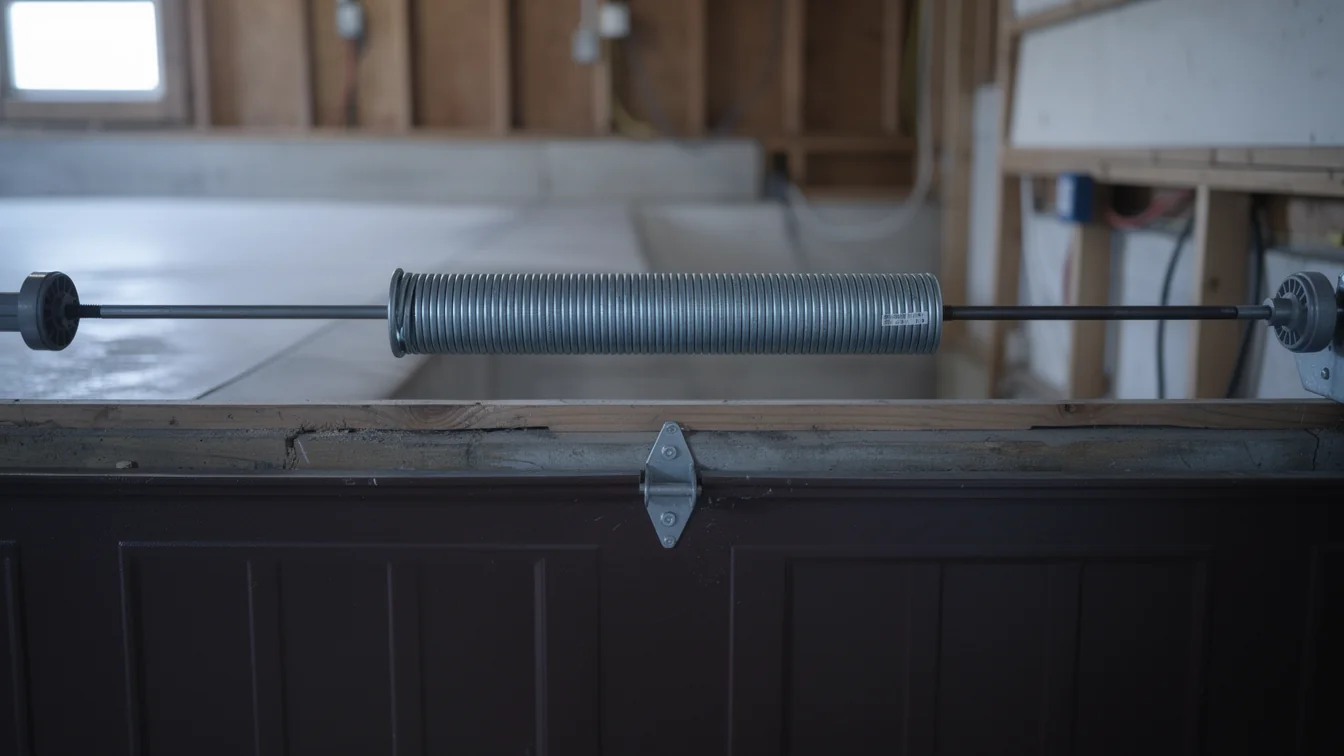 What Mission Viejo's Housing Stock Means for Your Garage Door Spring
Mission Viejo homes built from the 1980s onward often have original torsion springs nearing failure; here's what drives the cost, the risk, and when to call.
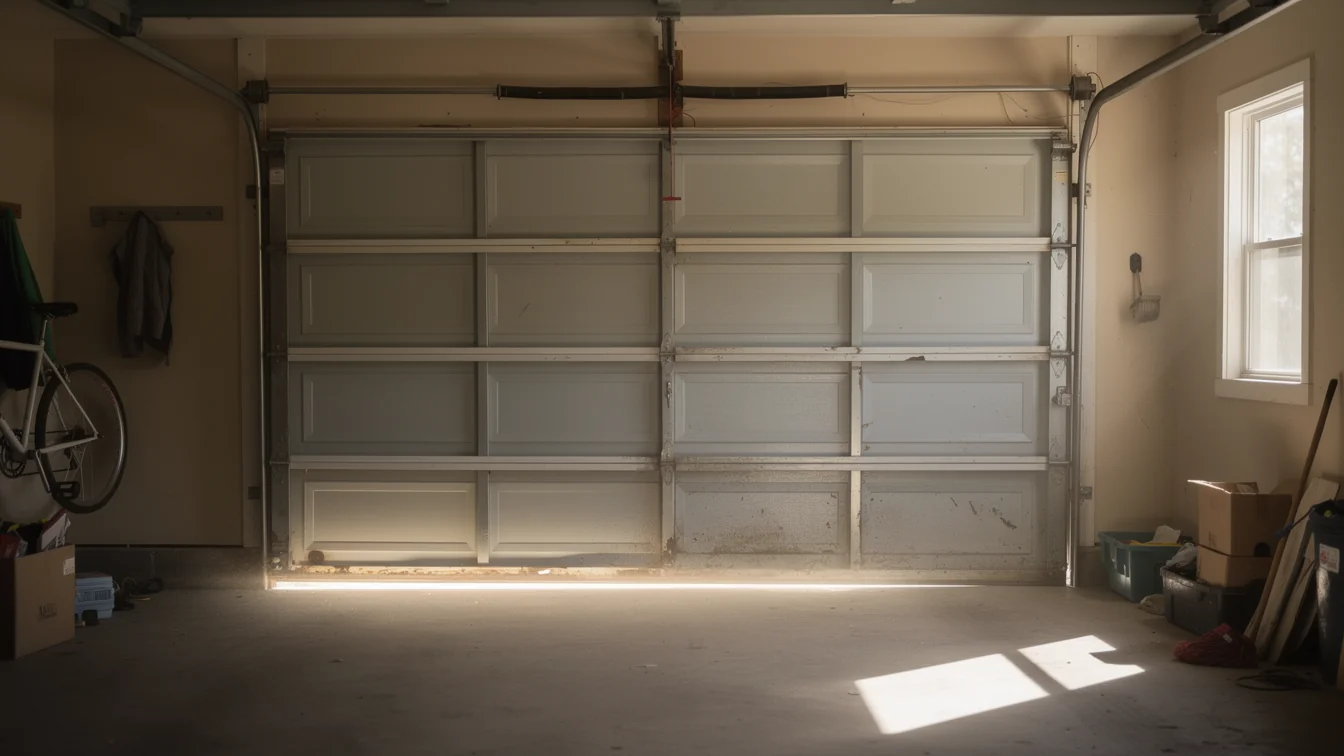 Why Pre-1990s Garage Doors in Mission Viejo Leak Heat and Cold
Mission Viejo's housing stock spans 1938 to 2015, and many older garage doors here predate any insulation requirement.
Ready when you are
Need a garage door sorted in Mission Viejo?
Mission Viejo Garage Door Pros repairs and installs garage doors, springs and openers in Mission Viejo, CA and the surrounding area.