
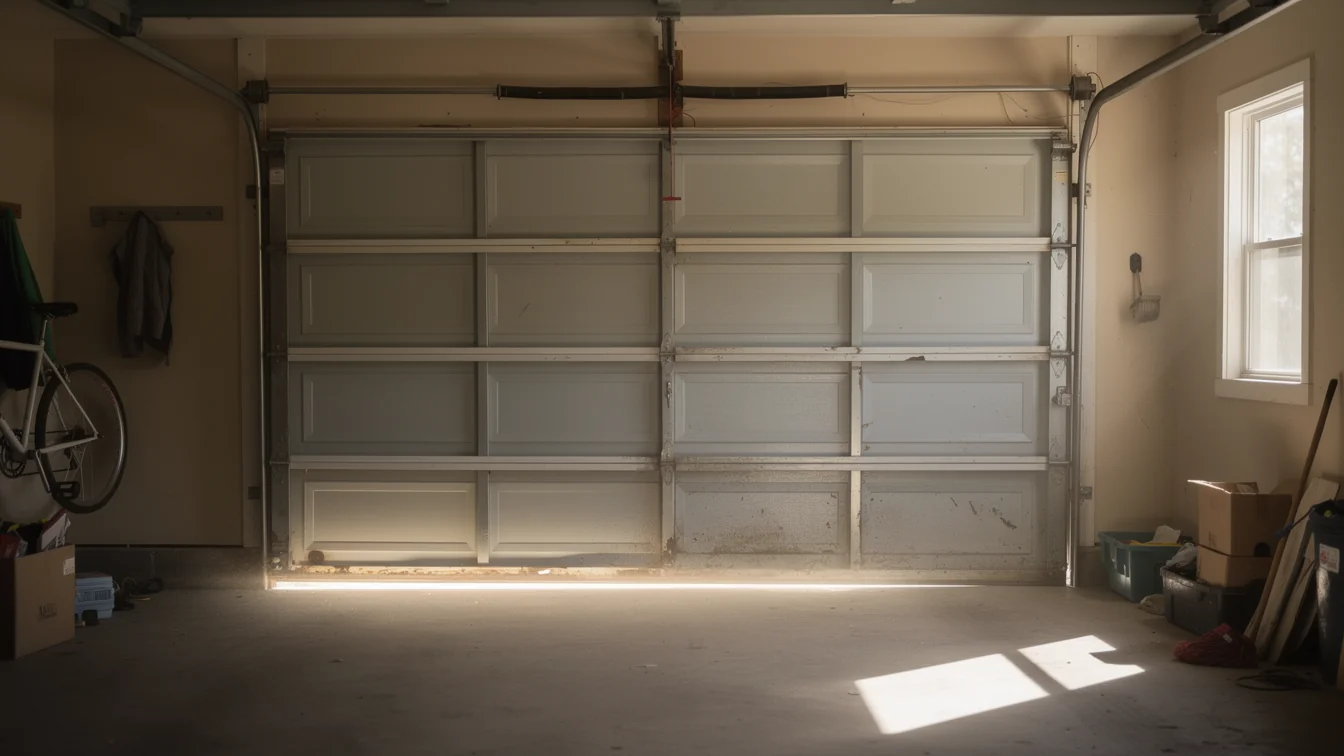
 Why Pre-1990s Garage Doors in Mission Viejo Leak Heat and Cold
Mission Viejo's housing stock spans 1938 to 2015, and many older garage doors here predate any insulation requirement.
What Mission Viejo's Housing Stock Means for Your Garage Door Spring
Mission Viejo homes built from the 1980s onward often have original torsion springs nearing failure; here's what drives the cost, the risk, and when to call.
Local detail
The Cost of This Job
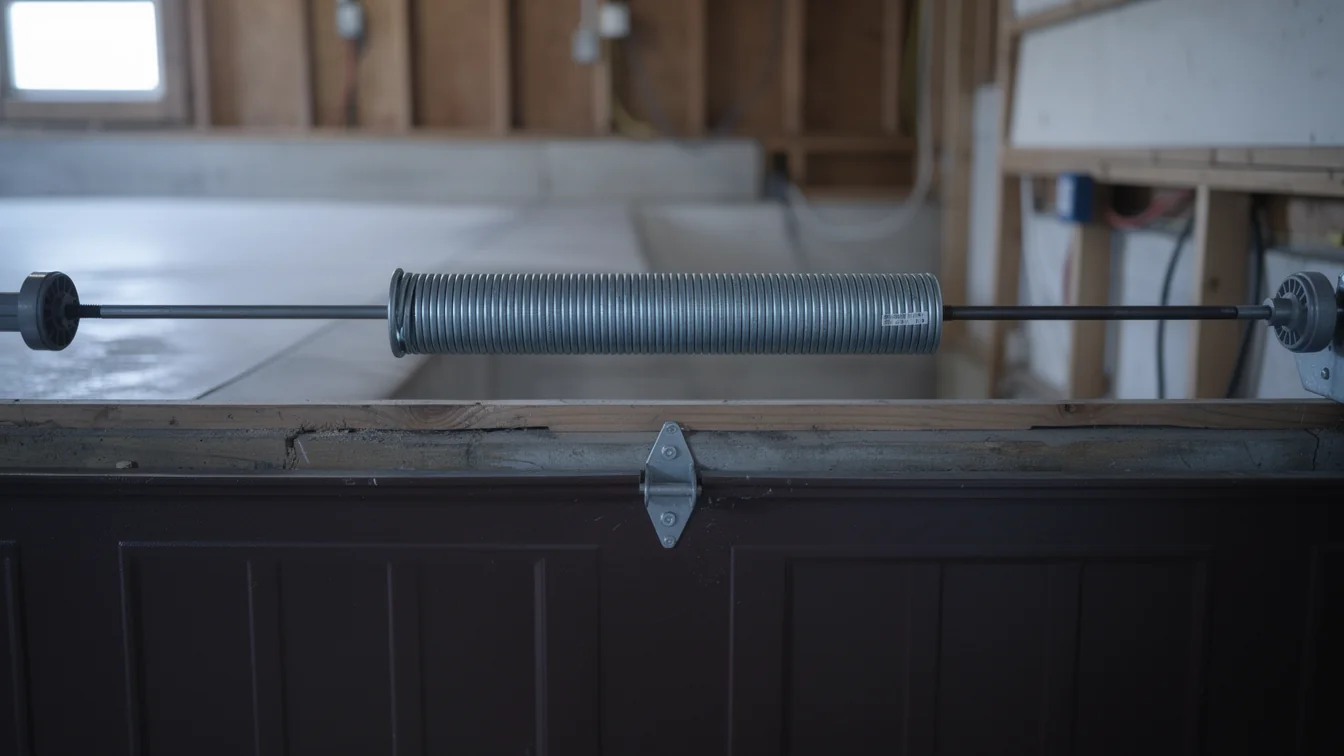
We can't quote a number here without seeing the door, but we can tell you what moves the price. A single torsion spring on a standard door costs less than replacing a matched pair, and if your house dates to the 1980s or 90s - which covers most of the stock across this service area - you're likely looking at a pair, since both springs age together even when only one breaks. Houses from the earlier end of the range, back toward 1938, sometimes carry older extension-spring setups that need different hardware entirely, which can change the job. With 80,921 owner-occupied houses and a median household income of $136,352 across the area, most owners we talk to choose a full spring replacement over patching a worn one, since a mismatched pair just means a second call later. One honest limit: we don't carry every spring size on the truck for every visit, so an unusual or discontinued size can mean a short wait on parts rather than a same-day fix.
The area
The Problem
The housing here spans 1938 to 2015, with the median build year sitting at 1983 and most of the stock across the area's named neighborhoods going up through the 80s and 90s. That matters more than people think. A torsion spring is rated for a cycle count, not a calendar date, and a door installed when a house was built in the early 80s has been opening and closing for four decades. Plenty of those original springs are still on the door, just fatigued. The failure point isn't dramatic weather - Mission Viejo sits in a mild temperate band, so you don't get the sharp overnight temperature drops that snap springs in harsher climates. What you get instead is slow metal fatigue from age and use, which tends to let go without warning on an otherwise calm morning. That's the real driver of spring failure in this area: years of cycles on original hardware, not a cold snap.
What we find
When to Get Help
A spring that's visibly separated, a door that won't stay up on its own, or a loud bang from the garage are all signs to stop using the door and call rather than keep opening it. Don't try to release tension on a torsion spring yourself; that's the one job on this list that sends people to the ER, not the garage. If the door is noticeably harder to lift by hand than it used to be, that's the spring losing tension gradually rather than snapping outright, and it's worth a look before it fails completely. Given how much of the housing stock here is 30 to 40 years old, a spring showing wear on a house built in that window is doing exactly what aged hardware does - it's not a sign anything else was done wrong, just a sign the clock ran out on that part.
How we work
What Local Conditions Do
Because Mission Viejo and the nearby area - from Las Flores and Laguna Hills three miles out to Rancho Santa Margarita and Coto de Caza a bit further - all sit in the same mild temperate band, garage doors here don't face the freeze-thaw stress that wears out seals and hardware faster in colder regions. That's a genuine advantage: springs and tracks last closer to their full rated life instead of failing early from temperature swings. The tradeoff is that age sneaks up on people, since there's no obvious seasonal reminder like a hard winter to prompt a maintenance check. With median construction dating to 1983, a lot of doors across this service area are simply old by cycle count even though nothing about the climate has been hard on them. The practical result: in this area, a yearly look at spring tension and hardware wear matters more than watching the weather forecast.
Questions
Common questions
Why would my spring break if Mission Viejo doesn't get cold winters
Cold snaps aren't the main cause here. The mild temperate climate actually spares local doors that kind of stress. Most failures come from age and cycle count - a spring installed when a house was built in the 1980s or 90s has simply opened and closed tens of thousands of times by now, and metal fatigue doesn't need cold weather to finish the job.
Should I replace one spring or both
If your house is part of the area's typical 1980s-to-90s stock, both springs were likely installed at the same time and have the same cycle count, even if only one has failed. Most owners replace the pair so they don't get a second call in a few months when the other one lets go.
Is it ever not worth repairing the spring
If the spring is original to a house from the early end of the 1938-2015 range and the rest of the hardware - rollers, cables, the opener - is showing its age too, a spring-only repair can turn into a patchwork of fixes. At that point replacing the whole system can make more sense than repairing one part at a time.
Can I just wait until the spring fully breaks
You can, but a door with a failing spring gets harder to lift safely in the meantime, and a full break without warning can drop the door suddenly. Given how much of the local housing stock is already decades old, if the spring is showing wear now, waiting just moves the problem to a less convenient day.
Recommendation
You Might Also Like
More garage door guides for Mission Viejo homeowners.
Why Pre-1990s Garage Doors in Mission Viejo Leak Heat and Cold
Mission Viejo's housing stock spans 1938 to 2015, and many older garage doors here predate any insulation requirement.
 Openers and Power Cuts in Mission Viejo
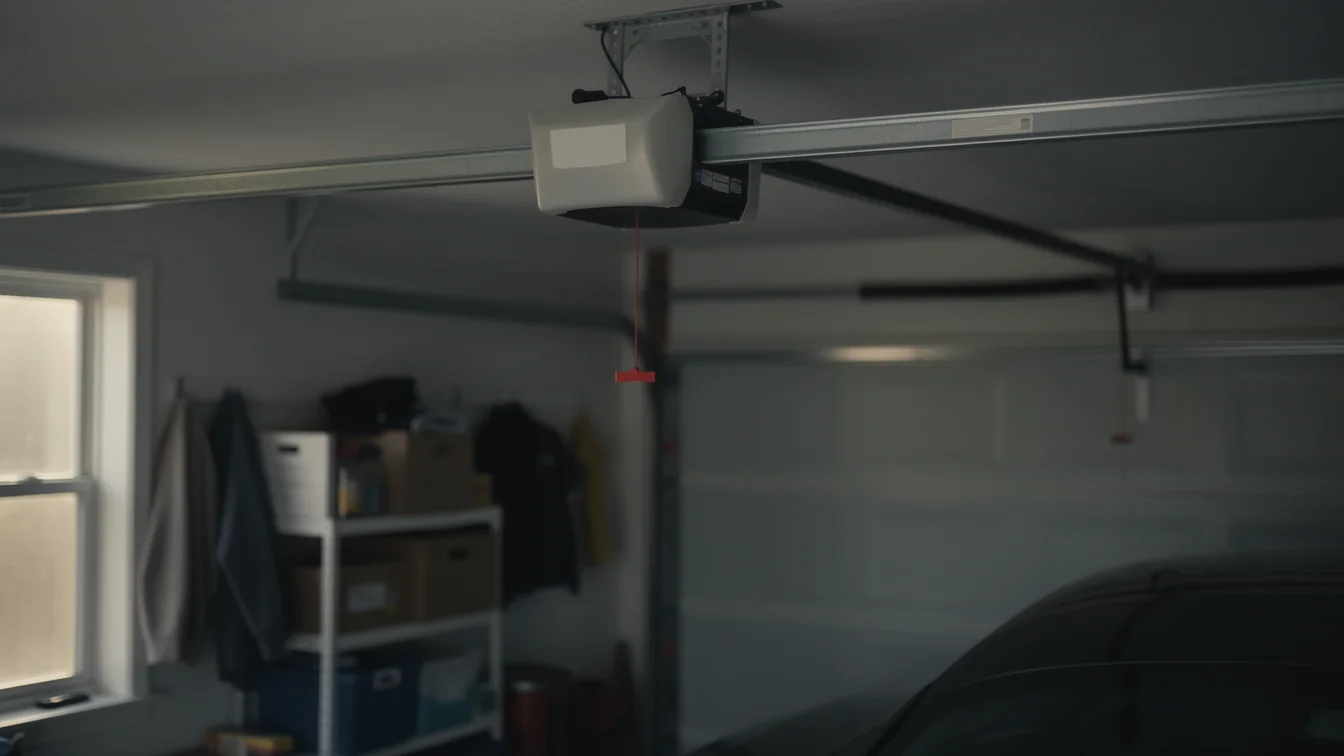
Mission Viejo homes built 1938-2015 run a mix of opener ages.
 What Actually Happens When We Come Out to Your Door
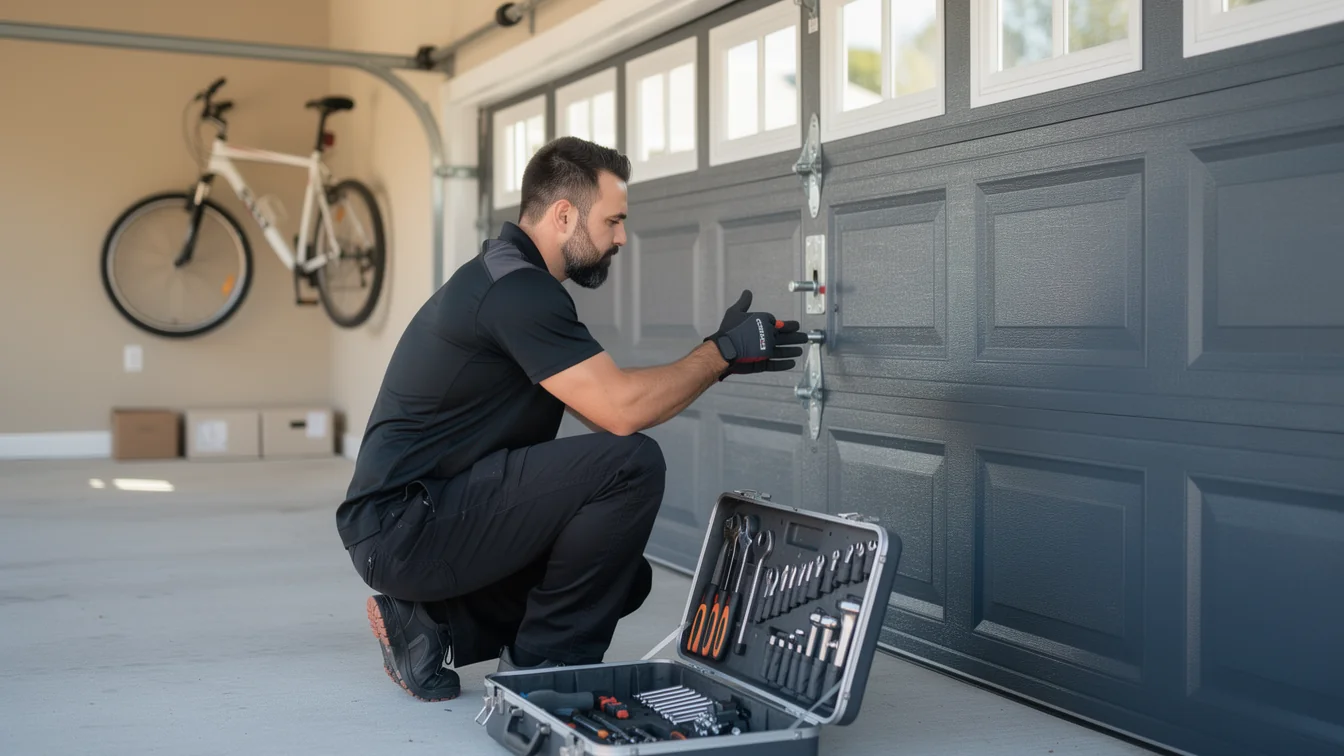
A breakdown of what actually happens during a garage door service call in Mission Viejo, tied to the area's 1980s-90s housing stock and mild coastal climate.
Ready when you are
Need a garage door sorted in Mission Viejo?
Mission Viejo Garage Door Pros repairs and installs garage doors, springs and openers in Mission Viejo, CA and the surrounding area.